

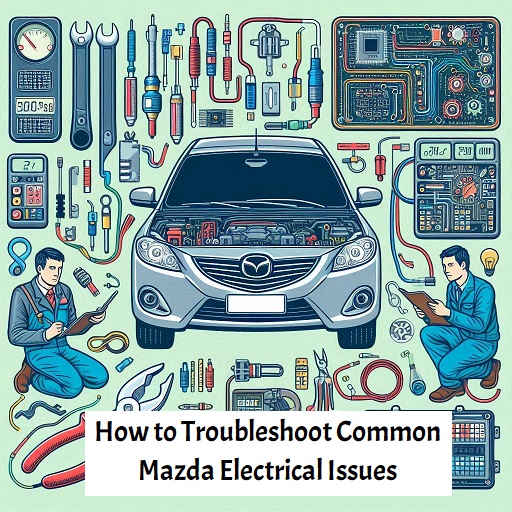
Electrical issues can be frustrating for any car owner, and Mazda vehicles, like all modern cars, rely heavily on electrical systems for performance and safety. From starting problems to malfunctioning lights, understanding how to troubleshoot common electrical issues can save you time and money. In this blog, we’ll explore some common electrical problems encountered in Mazda vehicles and provide you with practical troubleshooting steps to help you diagnose and resolve them.
Symptoms of Electrical Issues
Before diving into troubleshooting, it’s essential to recognize the symptoms of electrical issues. Common signs include:
- Vehicle Won’t Start: The engine cranks but doesn’t start, or there are no sounds at all when you turn the key.
- Dim or Flickering Lights: Interior or exterior lights are dim, flickering, or completely non-functional.
- Warning Lights on Dashboard: Various warning lights appear on the dashboard, indicating potential electrical issues.
- Malfunctioning Accessories: Power windows, locks, or other electrical accessories fail to operate correctly.
- Battery Drain: Frequent dead batteries or slow cranking when starting the engine.
Troubleshooting Steps
If you encounter any of the above symptoms, follow these troubleshooting steps to diagnose the issue.
- Step 1: Check the Battery
- Visual Inspection: Start by checking the battery for any signs of corrosion around the terminals. Clean any corrosion with a mixture of baking soda and water, and ensure the terminals are tightly connected.
- Battery Voltage: Use a multimeter to measure the battery voltage. A fully charged battery should read around 12.6 volts. If the voltage is significantly lower, consider charging or replacing the battery.
- Step 2: Inspect Fuses
- Locate the Fuse Box: Find the fuse box in your Mazda, typically located under the dashboard or in the engine compartment.
- Check for Blown Fuses: Visually inspect the fuses for any that appear burnt out. If you find a blown fuse, replace it with one of the same amperage.
- Identify the Issue: If the new fuse blows shortly after replacement, it may indicate an underlying electrical problem, such as a short circuit.
- Step 3: Examine the Alternator
- Testing the Alternator: Start the engine and use a multimeter to measure the voltage at the battery terminals. The reading should be between 13.7 to 14.7 volts if the alternator is functioning properly.
- Listen for Unusual Noises: While the engine is running, listen for any strange noises coming from the alternator, such as grinding or whining, which could indicate a failing alternator.
- Step 4: Check Wiring and Connections
- Inspect Wiring Harnesses: Look for damaged or frayed wiring in the engine compartment and under the dashboard. Pay close attention to areas that may be exposed to heat or abrasion.
- Check Ground Connections: Ensure that all ground connections are clean and secure. A loose or corroded ground connection can lead to various electrical issues.
- Step 5: Test Electrical Components
- Use a Multimeter: Test individual electrical components, such as power windows, lights, and switches, with a multimeter to check for proper voltage and functionality.
- Swap Components: If a specific accessory is malfunctioning, consider swapping it with a known good component (if applicable) to determine if the issue lies with the component itself.
Common Electrical Issues and Solutions
Here are a few common electrical issues encountered in Mazda vehicles and their potential solutions:
- Problem: Power Windows Won’t Operate
- Solution: Check the window fuse and switch. If the fuse is intact, test the switch and window motor with a multimeter to identify any faulty components.
- Problem: Dashboard Warning Lights Stay On
- Solution: Use an OBD-II scanner to read diagnostic trouble codes (DTCs). This can help pinpoint the specific issue triggering the warning lights.
- Problem: Headlights or Taillights Are Dim
- Solution: Inspect the bulbs for wear and replace them if necessary. Check the wiring and connections to ensure there are no loose or corroded terminals.
- Problem: Battery Drains Overnight
- Solution: Perform a parasitic draw test using a multimeter to identify any components that may be drawing excessive power when the vehicle is off.
When to Seek Professional Help

While many electrical issues can be diagnosed and resolved with basic troubleshooting, some problems may require professional assistance. If you encounter persistent issues, complex wiring problems, or are unsure about performing electrical repairs, it’s best to consult a qualified mechanic. They have the tools and expertise to diagnose and fix more intricate electrical problems safely.
Save Time, Monday and Frustration
Troubleshooting common electrical issues in your Mazda can save you time, money, and frustration. By following these steps and being proactive about maintenance, you can ensure your vehicle’s electrical system remains in good working order. Remember that safety is paramount; if you ever feel unsure about your ability to diagnose or repair electrical problems, don’t hesitate to seek professional assistance. With a little knowledge and care, you can keep your Mazda running smoothly and enjoy a hassle-free driving experience.
Connect with us


- July 2026
- June 2026
- May 2026
- April 2026
- March 2026
- February 2026
- January 2026
- December 2025
- November 2025
- October 2025
- September 2025
- August 2025
- July 2025
- June 2025
- May 2025
- April 2025
- March 2025
- February 2025
- January 2025
- December 2024
- November 2024
- October 2024
- September 2024
- August 2024
- July 2024
- June 2024
- May 2024
- April 2024
- March 2024
- February 2024
- January 2024
- December 2023
- November 2023
- October 2023
- September 2023
- August 2023
- July 2023
- June 2023
- May 2023
- April 2023
- March 2023
- February 2023
- January 2023
- December 2022
- November 2022
- October 2022
- September 2022
- August 2022
- July 2022
- June 2022
- May 2022
- April 2022
- March 2022
- February 2022
- January 2022
- December 2021
- November 2021
- October 2021
- September 2021
- August 2021
- July 2021
- June 2021
- May 2021
- April 2021
- March 2021
- February 2021
- January 2021
- December 2020
- November 2020
- October 2020
- September 2020
- August 2020
- July 2020
- May 2020
- April 2020
- March 2020
- February 2020
- December 2019
- November 2019
- October 2019
- September 2019
- August 2019
- July 2019
- June 2019
- May 2019
- April 2019
- March 2019
- February 2019
- January 2019
- December 2018
- November 2018
- October 2018
- September 2018
- August 2018
- July 2018
- June 2018
- May 2018
- April 2018
- March 2018
- February 2018
- January 2018
- December 2017
- November 2017
- October 2017
- September 2017
- August 2017
- July 2017
- June 2017
- May 2017
- April 2017
- March 2017
- February 2017
- January 2017
- December 2016
- November 2016
- October 2016
- September 2016
- August 2016
- July 2016
- June 2016
- May 2016
- April 2016
- March 2016
- February 2016
- January 2016
- December 2015
- November 2015
- October 2015
- September 2015
- August 2015
- July 2015
Archives
- 2023 Models
- 2024 Models
- Activities
- Automotive Cleaning
- Awards
- Beach Mazda Service
- Brakes
- Car Buying Process
- Certified Pre-Owned Mazda Vehicles
- Community Events
- Comparisons
- Down-payments
- Drive For Good
- Driver-Centric Design
- Electric & Hybrid Vehicles
- EVs
- Exterior
- Features & Specs
- Financing Your Mazda
- Fuel & Gas
- Fuel System
- Fun Stuff
- History
- Holidays
- Important Information
- Infotainment
- Insurance
- Interior
- Kodo Design Language
- Large Vehicles & SUVs
- Local
- Mazda Accessories
- Mazda Connect
- Mazda CX-30
- Mazda CX-5
- Mazda CX-9
- Mazda Model Features
- Mazda Motorsports
- Mazda Parts
- Mazda Safety Technology
- Mazda Service
- Mazda Vehicles
- Mazda3
- Millennials
- Money Saving Tips
- News
- Paint & Body Work
- Pre-Owned
- Racing
- Restaurants & Food
- Safety
- Seasonal
- Service
- Suspension System
- Technology
- Tips
- Tires & Wheels
- Towing
- Transmission
- Travel
- Uncategorized
- Weather