

Mazda Battery Care and Maintenance
By Beach Mazda
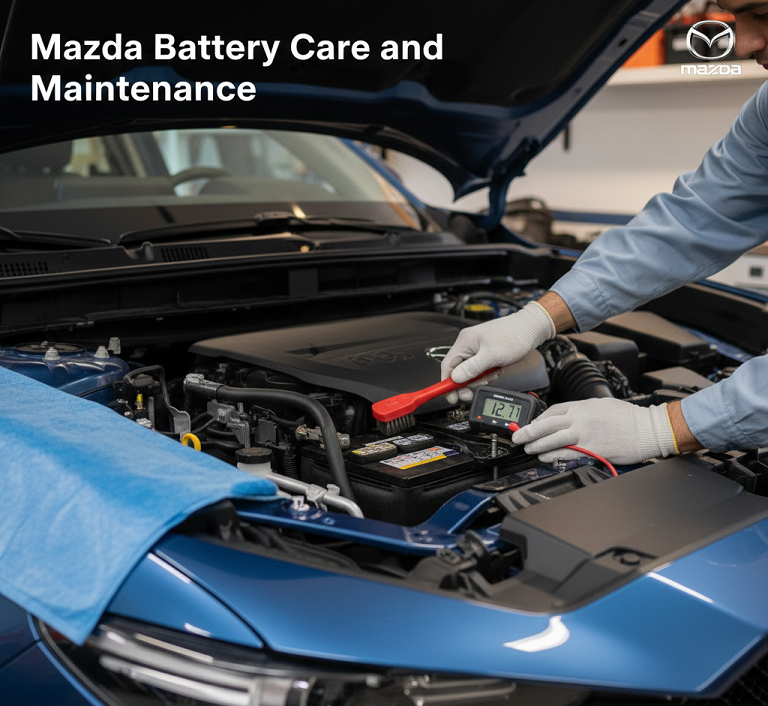
Your Mazda’s battery plays a critical role in the overall performance of your vehicle, providing the necessary power to start the engine and keeping essential electrical systems running. Over time, however, your battery can lose its efficiency or even fail altogether. To ensure your Mazda starts reliably every time, it’s essential to take proper care of your battery.
Read the rest of this entry »Why the Mazda Miata is a Great Sports Car Choice
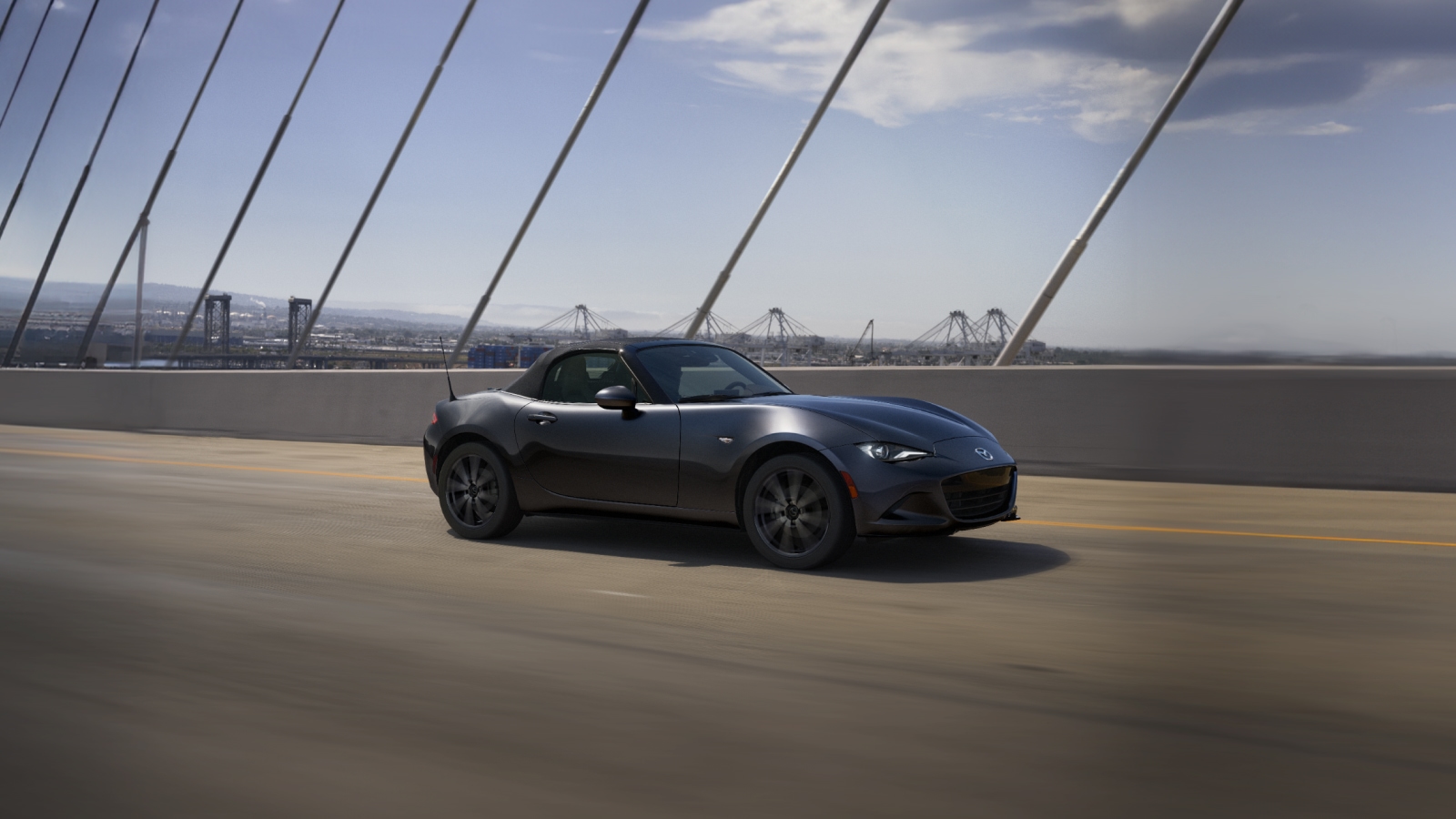
The Mazda Miata is widely regarded as one of the best sports car choices because it combines fun, simplicity, and affordability in a way few vehicles can match. Designed by Mazda to prioritize driving enjoyment, the Miata offers nimble handling, responsive performance, and classic roadster styling that appeals to both new drivers and longtime enthusiasts. Its lightweight design and open-top experience create a sense of connection to the road, making every drive feel exciting, whether you’re commuting or enjoying a weekend cruise.
Is the Mazda Miata Considered a Sports Car?
Yes, the Miata is absolutely considered a sports car by both industry standards and enthusiasts. A true sports car is typically defined by its focus on performance, handling, and driver engagement rather than practicality, and the Miata checks all those boxes with its lightweight construction, rear-wheel-drive layout, responsive steering, and available manual transmission. Since its debut, engineers at Mazda have intentionally designed the Miata to embody the classic roadster formula. Two seats, balanced weight distribution, and an emphasis on driving enjoyment, placing it firmly in the sports car category alongside much more expensive competitors.
Design
The Mazda Miata design perfectly blends modern styling with classic roadster proportions, making it one of the most recognizable and sought-after lightweight sports cars on the market. Crafted by Mazda under the brand’s signature Kodo design philosophy, the Miata features a low, wide stance, sculpted body lines, and an aggressive front grille that enhances both aerodynamics and visual appeal. Its soft-top or available RF (Retractable Fastback) roof option adds versatility while maintaining the iconic open-air driving experience that sports car enthusiasts love. Inside, the driver-focused cockpit features premium materials, ergonomic controls, and intuitive technology, reinforcing the Miata’s reputation as a top choice for buyers seeking a stylish convertible sports car, an affordable performance car, or a fun-to-drive roadster.
Performance & Handling
The Mazda Miata delivers impressive performance and handling that make it one of the most popular lightweight sports cars for driving enthusiasts. Powered by a SKYACTIV-G 2.0-liter inline-four engine, the Miata produces up to 181 horsepower and 151 lb-ft of torque, paired with a standard 6-speed manual transmission or an available 6-speed automatic for smooth, responsive acceleration.
The Miata was engineered with near-perfect 50/50 weight distribution, rear-wheel drive, and a lightweight chassis to maximize agility and cornering confidence. Advanced handling technologies such as a sport-tuned suspension, available Bilstein dampers, limited-slip differential, Kinematic Posture Control, and DSC-Track stability management help enhance grip, reduce body roll, and improve cornering precision. For drivers searching for a fun-to-drive sports car, responsive convertible performance, and exceptional handling dynamics, the Mazda Miata continues to set the benchmark in the affordable sports car segment.
Is the Mazda Miata Rear-Wheel Drive?
Yes, the Mazda Miata is rear-wheel drive (RWD). This drivetrain layout has been a core part of the Miata’s design since its introduction, allowing engineers to deliver the balanced handling, responsive steering, and engaging driving dynamics that define a true sports car. Rear-wheel drive helps distribute weight more evenly across the vehicle, improving cornering performance and giving drivers better control, especially during spirited driving on winding roads.
Is the Mazda Miata Manal?
Yes, the Mazda Miata is available with a manual transmission. In fact, a 6-speed manual comes standard on most trims, which is one of the reasons the Miata is so popular among driving enthusiasts who want a more connected, hands-on sports car experience. Mazda also offers an optional 6-speed automatic transmission for drivers who prefer convenience, but the manual gearbox is widely considered the best choice for maximizing the Miata’s performance and fun-to-drive character.
Why the Mazda Miata Stays a Competitive Option in the Sports Car Industry
The Mazda Miata remains a competitive option in the sports car industry because it consistently delivers a pure driving experience at a price point that undercuts many rivals. By focusing on lightweight engineering, balanced rear-wheel-drive performance, and driver engagement rather than excessive horsepower, Mazda has kept the Miata true to its roots while still integrating modern technology, safety features, and refined interior materials. Its reputation for reliability, strong resale value, and low ownership costs also makes it appealing to both first-time sports car buyers and seasoned enthusiasts. In a market where many sports cars are becoming heavier and more expensive, the Miata’s simplicity, agility, and open-top driving fun help it stand out as one of the best affordable sports car choices available today.
Test Drive a New or Pre-Owned Miata at Beach Mazda Today!
If you’re ready to experience the thrill of open-air driving, you can test drive a new or pre-owned Mazda Miata for sale today at Beach Mazda in Myrtle Beach. Located just minutes from the coastline, this local dealership makes it easy to get behind the wheel and enjoy the Miata’s sporty performance while cruising scenic oceanfront roads and iconic beach highways. Whether you’re shopping for a brand-new convertible sports car or a quality pre-owned Miata, their team can help you explore available inventory, financing options, and trade-in opportunities so you can drive off with confidence. Schedule your test drive today and discover why the Miata is the perfect companion for coastal driving adventures.
By Beach Mazda
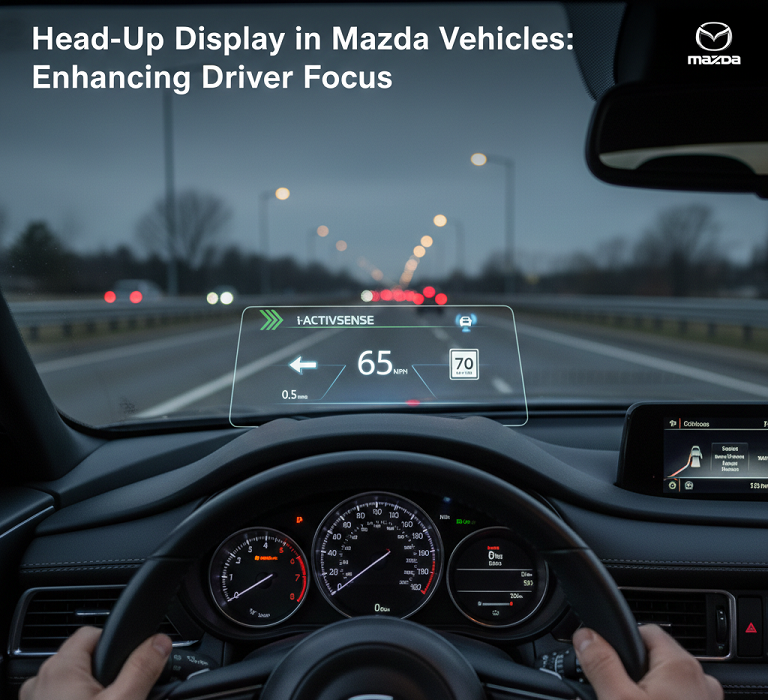
Driving should be an engaging experience, where every moment on the road is as enjoyable as it is safe. At Mazda, we prioritize both safety and convenience, which is why we’ve incorporated cutting-edge technology like the Head-Up Display (HUD) in our vehicles. This feature is designed to help drivers keep their focus on the road while still providing essential information in a glance.
In this blog post, we’ll explore how the Head-Up Display works in Mazda vehicles, its benefits, and why it’s an essential feature for drivers seeking a more intuitive and safer driving experience.
Read the rest of this entry »
Modern Mazdas are packed with advanced technology designed to keep you safe and your vehicle running smoothly. One of these technologies is the On-Board Diagnostic (OBD) system, which monitors your car’s systems and alerts you when something isn’t quite right through diagnostic trouble codes (DTCs).
At Beach Mazda, we understand how confusing those blinking check engine lights or error messages can be. That’s why we’ve put together this guide to help you decode Mazda’s diagnostic codes, understand what they mean, and know the best steps to take.
Read the rest of this entry »Best Neighborhoods in Myrtle Beach: A Resident’s Guide: Find Your Perfect Home Base with Beach Mazda

Thinking about calling Myrtle Beach home? Whether you’re relocating, buying a second home, or planning an extended stay, choosing the right neighborhood is key to making the most of coastal living. Myrtle Beach offers a variety of communities—each with its own vibe, amenities, and lifestyle.
Read the rest of this entry »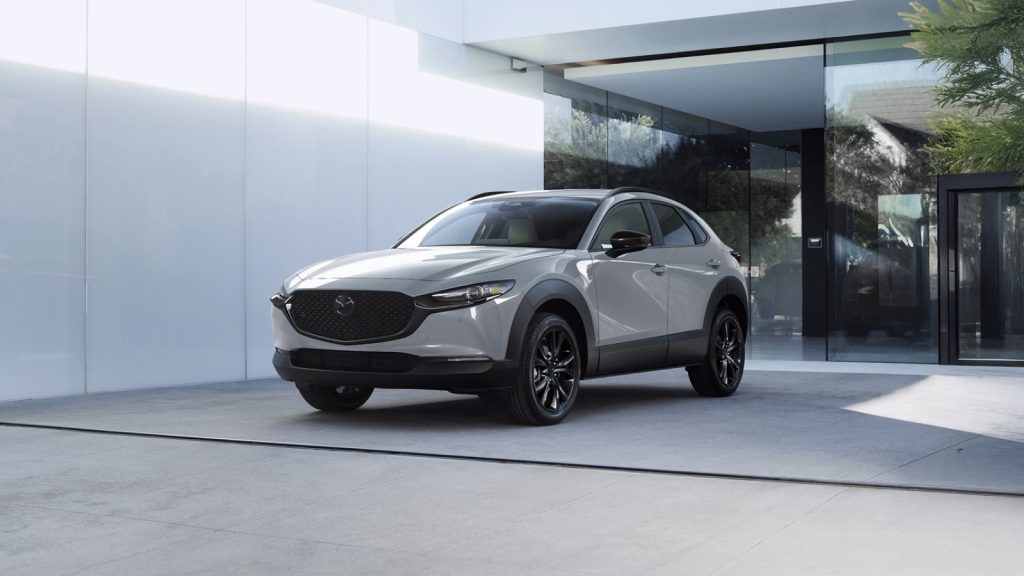
The 2026 Mazda CX-30 continues to be a standout choice for drivers looking for a compact SUV that blends upscale design, confident performance, and everyday practicality. Designed to fit seamlessly into modern lifestyles, the CX-30 offers the versatility of an SUV with the refined feel Mazda is known for, making it an appealing option for commuters, small families, and weekend adventurers alike. With thoughtful updates for the new model year, the 2026 CX-30 builds on its reputation for style, safety, and driving enjoyment, making it a smart vehicle to consider if you’re researching everything this popular Mazda crossover has to offer.
Read the rest of this entry »
Mazda has long been known for its commitment to delivering exceptional driving experiences, blending innovation, precision, and excitement into every vehicle it creates. One of the standout features that exemplifies Mazda’s passion for driving dynamics is G-Vectoring Control (GVC). This cutting-edge technology enhances the way your Mazda handles, offering a smooth, stable, and more connected driving experience.
Read the rest of this entry »DIY Mazda Maintenance: What You Can Do at Home

Owning a Mazda comes with the responsibility of keeping your vehicle in top shape, and while regular visits to a certified Mazda technician are essential, there are many maintenance tasks you can perform yourself at home to keep your car running smoothly. DIY maintenance not only saves you money but also helps you become more familiar with your vehicle, improving both its lifespan and your overall driving experience.
Read the rest of this entry »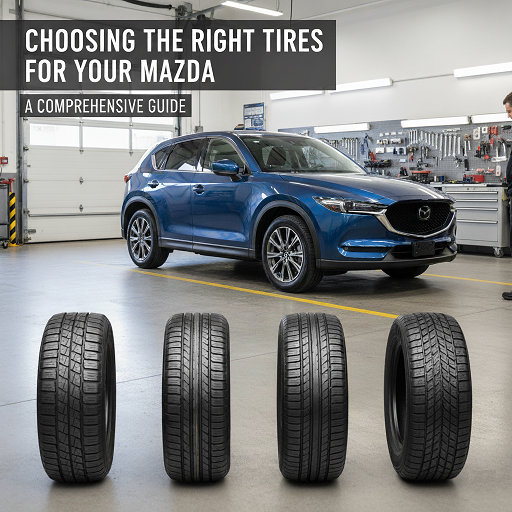
Your Mazda is built for performance, safety, and style — and the right set of tires plays a crucial role in all three. Whether you’re driving through Myrtle Beach’s sunny streets or preparing for a long road trip, choosing the proper tires helps ensure your vehicle performs its best in any condition.
Read the rest of this entry »
Hit the Fairways in Style with Beach Mazda
Myrtle Beach isn’t just a beach destination—it’s one of the premier golf capitals in the world. With nearly 90 courses along the Grand Strand, there’s something for every golfer, from weekend warriors to seasoned pros. And whether you’re teeing off at sunrise or enjoying a twilight round, getting there in a smooth, comfortable Mazda only adds to the experience.
Read the rest of this entry »Connect with us


- February 2026
- January 2026
- December 2025
- November 2025
- October 2025
- September 2025
- August 2025
- July 2025
- June 2025
- May 2025
- April 2025
- March 2025
- February 2025
- January 2025
- December 2024
- November 2024
- October 2024
- September 2024
- August 2024
- July 2024
- June 2024
- May 2024
- April 2024
- March 2024
- February 2024
- January 2024
- December 2023
- November 2023
- October 2023
- September 2023
- August 2023
- July 2023
- June 2023
- May 2023
- April 2023
- March 2023
- February 2023
- January 2023
- December 2022
- November 2022
- October 2022
- September 2022
- August 2022
- July 2022
- June 2022
- May 2022
- April 2022
- March 2022
- February 2022
- January 2022
- December 2021
- November 2021
- October 2021
- September 2021
- August 2021
- July 2021
- June 2021
- May 2021
- April 2021
- March 2021
- February 2021
- January 2021
- December 2020
- November 2020
- October 2020
- September 2020
- August 2020
- July 2020
- May 2020
- April 2020
- March 2020
- February 2020
- December 2019
- November 2019
- October 2019
- September 2019
- August 2019
- July 2019
- June 2019
- May 2019
- April 2019
- March 2019
- February 2019
- January 2019
- December 2018
- November 2018
- October 2018
- September 2018
- August 2018
- July 2018
- June 2018
- May 2018
- April 2018
- March 2018
- February 2018
- January 2018
- December 2017
- November 2017
- October 2017
- September 2017
- August 2017
- July 2017
- June 2017
- May 2017
- April 2017
- March 2017
- February 2017
- January 2017
- December 2016
- November 2016
- October 2016
- September 2016
- August 2016
- July 2016
- June 2016
- May 2016
- April 2016
- March 2016
- February 2016
- January 2016
- December 2015
- November 2015
- October 2015
- September 2015
- August 2015
- July 2015
Archives
- 2023 Models
- 2024 Models
- Activities
- Automotive Cleaning
- Awards
- Beach Mazda Service
- Brakes
- Car Buying Process
- Certified Pre-Owned Mazda Vehicles
- Community Events
- Comparisons
- Down-payments
- Drive For Good
- Driver-Centric Design
- Electric & Hybrid Vehicles
- EVs
- Exterior
- Features & Specs
- Financing Your Mazda
- Fuel & Gas
- Fuel System
- Fun Stuff
- History
- Holidays
- Important Information
- Infotainment
- Insurance
- Interior
- Kodo Design Language
- Large Vehicles & SUVs
- Local
- Mazda Accessories
- Mazda CX-30
- Mazda CX-5
- Mazda CX-9
- Mazda Model Features
- Mazda Motorsports
- Mazda Parts
- Mazda Safety Technology
- Mazda Service
- Mazda Vehicles
- Mazda3
- Millennials
- Money Saving Tips
- News
- Paint & Body Work
- Pre-Owned
- Racing
- Restaurants & Food
- Safety
- Seasonal
- Service
- Technology
- Tips
- Tires & Wheels
- Towing
- Transmission
- Travel
- Uncategorized
- Weather