Blog

SUV Purchasing Guide: How to Choose My Next SUV in 2026

Shopping for your next SUV in 2026 means navigating more choices than ever, from fuel-efficient hybrids and fully electric models to family-friendly three-row SUVs and rugged adventure-ready crossovers. The key is to match the vehicle to your lifestyle, budget, and long-term needs rather than simply chasing the newest trend. In this SUV purchasing guide, we’ll break down how to compare size, performance, safety technology, cargo space, reliability, and ownership costs so you can confidently choose the right SUV for your daily commute, growing family, or weekend travel plans in today’s fast-changing market.

Size and Cargo Capacity

When shopping for your next SUV, vehicle size and cargo capacity are two of the most important factors to consider because they directly impact everyday comfort, convenience, and versatility. Compact SUVs are ideal for drivers who want easier parking, better fuel efficiency, and agile handling, while midsize and full-size SUVs provide more passenger room, larger cargo areas, and stronger family-friendly practicality. If you regularly travel with kids, pets, sports gear, or luggage, choosing an SUV with flexible folding seats and generous storage space can make a major difference. By comparing interior dimensions, seating capacity, and available cargo room, shoppers can find the best SUV for their lifestyle and ensure their next purchase delivers the space they need for years to come.

Fuel Economy & Performance

Fuel economy and performance are two key considerations when choosing your next SUV, as drivers want the right balance of power, efficiency, and everyday drivability. Many 2026 SUVs now offer a wide range of options, including fuel-efficient gas engines, turbocharged powertrains, hybrids, plug-in hybrids, and fully electric models designed to reduce fuel costs without sacrificing capability. Shoppers should compare horsepower, towing capacity, acceleration, and estimated MPG or driving range to find the best fit for commuting, road trips, or active lifestyles. Whether you prioritize strong performance, lower fuel expenses, or a mix of both, evaluating SUV fuel economy and engine options can help you choose a model that meets your needs now and in the future.

Safety Features

Safety features are one of the most important factors when choosing your next SUV, as today’s drivers want confidence, protection, and advanced technology on every trip. Modern 2026 SUVs commonly offer features such as automatic emergency braking, blind-spot monitoring, lane-keeping assist, rear cross-traffic alert, adaptive cruise control, and multiple airbags designed to help prevent accidents and reduce injury risk. Many top-rated models also earn strong crash-test scores from organizations like IIHS and NHTSA, giving shoppers added peace of mind when comparing options. By prioritizing SUV safety technology, crash ratings, and driver-assistance systems, buyers can choose a vehicle that protects passengers while delivering smarter everyday driving confidence.

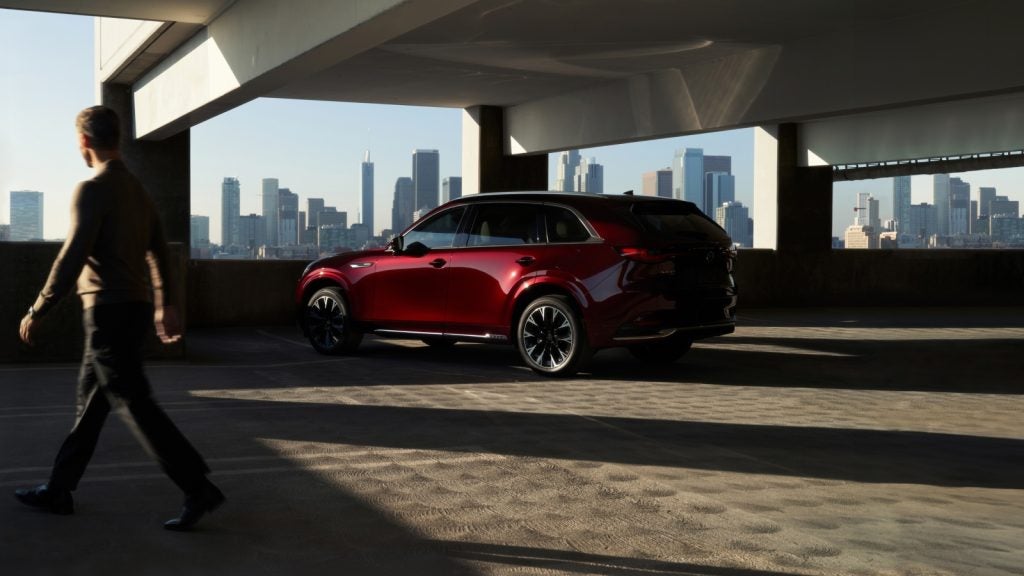
Mazda SUV Choices:

Here are some compelling options for 2026 SUV choices

Mazda CX-30 Performance, Cargo, and Safety

The Mazda CX-30 remains a strong option for SUV shoppers by delivering the key features many buyers prioritize most. Its compact size makes city driving and parking simple, while still offering practical cargo space with 20.2 cubic feet behind the rear seats and up to 45.2 cubic feet with the rear seats folded flat, giving drivers room for groceries, luggage, or weekend gear. Under the hood, the standard 2.5-liter engine produces 186 horsepower and 186 lb-ft of torque, while EPA-estimated fuel economy reaches 24 MPG city / 31 MPG highway / 27 MPG combined, helping keep fuel costs manageable. The Mazda CX-30 also comes standard with all-wheel drive and offers advanced safety features like blind-spot monitoring, lane-keep assist, and adaptive cruise control, making it a well-rounded choice for drivers seeking efficiency, utility, and confidence in one stylish SUV. 

Mazda CX-5 Performance, Cargo, and Safety

The Mazda CX-5 is an excellent choice for SUV buyers who want a balance of space, efficiency, comfort, and premium styling. It offers 33.7 cubic feet of cargo space behind the rear seats and up to 66.5 cubic feet with the rear seats folded, giving families and commuters plenty of room for groceries, luggage, and outdoor gear. Power comes from a 2.5-liter four-cylinder engine producing 187 horsepower and 186 lb-ft of torque, paired with standard all-wheel drive for added confidence in changing road conditions. EPA-estimated fuel economy reaches 26 MPG city / 30 MPG highway / 28 MPG combined on higher trims, helping keep ownership costs manageable. The Mazda CX-5 also includes advanced safety features such as adaptive cruise control, blind-spot monitoring, lane-keep assist, and automatic emergency braking, making it a smart and stylish SUV for drivers seeking everyday versatility in 2026.

Mazda CX-50 Performance, Cargo, and Safety

The Mazda CX-50 is a standout SUV for drivers who want rugged capability, everyday comfort, and strong value in one package. It offers 31.4 cubic feet of cargo space behind the rear seats, giving you room for luggage, groceries, and outdoor gear, while the wide rear opening makes loading easier for active lifestyles. Standard models are powered by a 2.5-liter four-cylinder engine with 187 horsepower and 185 lb-ft of torque, while available turbocharged trims boost output to 227 horsepower and 310 lb-ft of torque on regular fuel. Fuel economy reaches an EPA-estimated 25 MPG city / 31 MPG highway / 28 MPG combined on select non-turbo trims, while turbo models earn 23 MPG city / 29 MPG highway / 25 MPG combined. With standard all-wheel drive, available 3,500-pound towing capacity, and advanced safety features like blind-spot monitoring, lane-keep assist, and adaptive cruise control, the Mazda CX-50 is an excellent choice for shoppers seeking a capable and stylish compact SUV.

Mazda CX-90 Performance, Cargo, and Safety

The Mazda CX-90 is an excellent option for families and drivers who want premium comfort, strong performance, and versatile space in their next SUV. It offers 14.9 cubic feet of cargo space behind the third row, making room for groceries or backpacks, while folding the rear seats opens significantly more storage for luggage, gear, or larger items. Power comes from a 3.3-liter turbocharged inline-six engine producing 280 horsepower and 332 lb-ft of torque in standard trims, while higher-output Turbo S models deliver up to 340 horsepower. EPA-estimated fuel economy reaches 24 MPG city / 28 MPG highway / 25 MPG combined, helping balance performance with efficiency. With standard all-wheel drive, available 5,000-pound towing capacity, seating for up to eight passengers, and advanced safety features like blind-spot monitoring, lane-keep assist, adaptive cruise control, and rear cross-traffic alert, the Mazda CX-90 is a refined and capable SUV for shoppers needing more room without sacrificing style.

Visit Beach Mazda and Test Drive Our 2026 SUV Models Today

Visit Beach Mazda in Myrtle Beach today and explore our full lineup of 2026 Mazda SUV models, all designed to deliver style, performance, and advanced technology. Take a test drive to compare features, interior space, and driving comfort so you can find the right SUV for your lifestyle. Our team can also help you value your trade-in quickly and conveniently, making it easier to upgrade to a new Mazda. When you’re ready to buy, explore flexible financing options with guidance from our experienced staff to help you secure a payment plan that fits your budget. Start your SUV shopping journey today at Beach Mazda.

Recommended Posts

mazda 3 sedan and mazda 3 hatchback

2026 Mazda3 for Sale in Myrtle Beach: Sedan vs. Hatchback Trims Explained

If you have been searching for a Mazda3 for sale in Myrtle Beach, you have probably noticed there is more than one Mazda3 to choose from. There is a sedan and a hatchback. There are naturally aspirated engines and turbocharged ones. There is front-wheel drive and available all-wheel drive. That is a lot of decisions for one nameplate, and it is easy to end up more confused after researching than you were before you started. This guide breaks down the 2026 Mazda3 lineup in plain language, compares the sedan to the hatchback, walks through the trim levels, and gives you a realistic sense of what you will pay to drive one home from Beach Mazda in Myrtle Beach, SC. Why the Mazda3 Keeps Showing Up on Your Shortlist The Mazda3 has built a reputation as the compact car that does not feel like a compact car. Mazda's design philosophy, known as KODO, gives the Mazda3 curves and proportions that most people expect from a car costing thousands more. Step inside and the theme continues. Mazda spends its money where you actually touch and see things: soft-touch materials on the dash and doors, an analog-style gauge cluster, and an intuitive control layout focused around a rotary Commander dial that borrows more from luxury brands than from typical economy cars. It is not just about looks either. Mazda tunes the Mazda3's steering and suspension for a driving feel that reviewers consistently praise, often calling it the most fun-to-drive car in its class. If you commute daily on Highway 17 or take weekend trips up to Wilmington or down to Charleston, that difference is something you will actually feel behind the wheel, not just read about in a spec sheet. Sedan or Hatchback: What Is the Real Difference? This is usually the first fork in the road for shoppers, so let's settle it. The Mazda3 Sedan is the more traditional body style. It has a proper trunk, a slightly longer overall exterior length, and styling that leans a bit more conservative and upscale, especially with the optional Soul Red Crystal or Machine Gray Metallic paint. If you want a classic profile and a car that reads as understated and elegant in a parking lot, the sedan is usually the pick. The Mazda3 Hatchback trades some of that sedan formality for everyday versatility. The rear liftgate opens to reveal significantly more usable cargo space than the sedan's trunk, and folding the rear seats down opens up even more room for beach gear, golf clubs, or a Costco run. The hatchback also gets a slightly more aggressive, sport-oriented look. Many shoppers searching for a Mazda hatchback for sale cross-shop the Mazda3 hatch against the CX-30, and it is a fair comparison since they share a platform. Our Mazda3 Hatchback vs. CX-30 comparison breaks it down in more detail, but in short, the Mazda3 hatchback sits lower and drives a bit sportier, while the CX-30 sits higher and offers easier entry and exit. Mechanically, the sedan and hatchback share the same engine choices and most of the same trim structure, so the decision usually comes down to styling preference and how much cargo flexibility you need. Trim Levels: Finding the Right Fit Mazda organizes the Mazda3 lineup into a handful of trims, generally moving from a well-equipped base model up through turbocharged performance-oriented trims. While exact trim names and standard features can shift, the general structure looks like this: Base trim (2.5 S): This is where most shoppers start, and it is far from stripped down. Expect a full suite of Mazda's i-Activsense safety features, Mazda Connect infotainment, and the efficient, naturally aspirated 2.5-liter four-cylinder engine. Mid-level trims (Select Sport, Preferred, or similar): These add comfort and convenience items like heated front seats, a power driver's seat, upgraded leatherette upholstery, and larger available display screens with touchscreen integration for Apple CarPlay and Android Auto. Premium trims: Here you start seeing genuine leather seating, a Bose® premium audio system, a windshield-projected heads-up display, and available i-Activ AWD®. Turbo trims: The performance-focused end of the lineup swaps in Mazda's turbocharged 2.5-liter engine, which produces a meaningful jump in horsepower and torque over the standard engine, paired with standard all-wheel drive. Note: Because Mazda periodically adjusts trim names and standard equipment, we always recommend confirming current features on the official Mazda USA website or by asking our sales team. What Does a Mazda3 Cost in Myrtle Beach? Pricing on any new car depends on trim, options, and current incentives. As a general rule, the Mazda3 competes in the compact car segment against vehicles like the Honda Civic, Toyota Corolla, and Volkswagen Jetta, and it is priced competitively within that group even though it feels like a step above on the inside. For the most accurate, up-to-date pricing on the 2026 Mazda3 for sale here at Beach Mazda, including any current manufacturer rebates or regional incentives available in the Myrtle Beach and Horry County area, the best move is to check our new inventory page or give our sales team a call. We can also walk you through current APR offers and lease specials, which often make a bigger difference in your monthly payment than the sticker price alone. Mazda3 Fuel Economy and Everyday Livability One reason the Mazda3 stays popular with commuters along the Grand Strand is fuel efficiency paired with a comfortable ride. The naturally aspirated engine is tuned for solid real-world fuel economy, while the turbo engine sacrifices a small amount of efficiency for a noticeable gain in power, useful if you are merging onto Highway 501 or passing on Highway 17 Bypass regularly. Inside, both body styles offer standard Mazda Connect infotainment with Apple CarPlay and Android Auto integration, a full suite of driver assistance safety features as standard equipment, and a ride quality that stays composed over rougher pavement around Myrtle Beach and Conway. New vs. Used Mazda3: Which Makes Sense for You? If budget is the primary factor, a used or Certified Pre-Owned (CPO) Mazda3 can be an excellent value. Mazda's Certified Pre-Owned program includes an extended powertrain warranty and a comprehensive multi-point inspection. A CPO Mazda3 typically costs less than new while still delivering the same engaging driving experience and modern tech features. If you want the latest safety technology, the newest software updates, and the peace of mind of a full new-vehicle factory warranty, a new 2026 Mazda3 is worth the investment. We carry both new and used Mazda3 inventory here at Beach Mazda so you can compare them side by side. Test Drive a Mazda3 at Beach Mazda Reading about a car only gets you so far. The Mazda3's driving feel, seat comfort, and cabin quality are things you notice within the first five minutes behind the wheel. Whether you are leaning toward the sedan's classic trunk practicality or the hatchback's added cargo flexibility, our team at Beach Mazda in Myrtle Beach can walk you through current inventory, trim availability, and financing options tailored to your budget. Stop by our dealership on Highway 17, browse our current inventory online, or schedule your test drive today!

BM3 TITLE AUG 2026

Mazda's Rotary Engine: A Deep Dive into this Unique Technology

When you think of Mazda performance and innovation, one term likely stands out: rotary engine. Unlike traditional piston engines, the rotary engine—also known as the Wankel engine —has become a symbol of Mazda’s engineering boldness and passion for unique driving experiences. At Beach Mazda, we believe part of what makes Mazda special is its willingness to think differently. So today, we’re diving deep into what makes the rotary engine so unique, how it works, and why it still holds a legendary status among driving enthusiasts. more 🔧 What Is a Rotary Engine? Instead of using pistons that move up and down, a rotary engine uses a triangular rotor that spins inside an oval-shaped housing. The rotor’s movement completes the four strokes of internal combustion— intake, compression, power, and exhaust —in a continuous motion. This design offers a lightweight, compact engine that delivers smooth power output and high-revving performance in a much smaller package than traditional engines. 🚘 Mazda and the Rotary Legacy Mazda didn't invent the rotary engine, but it perfected it. Starting with the Mazda Cosmo Sport 110S in 1967, Mazda brought the rotary engine to global attention. However, it was the Mazda RX-7 and later the RX-8 that truly defined the brand’s rotary reputation. These cars became beloved for their lightweight handling, distinctive engine sound, and thrilling driving dynamics. ⚙️ Key Advantages of the Rotary Engine Compact and Lightweight: Ideal for achieving balanced weight distribution and nimble handling. High Power-to-Weight Ratio: Delivers impressive horsepower for its size. Smooth Operation: Fewer moving parts and a unique rotation create a silky engine feel. High RPM Capability: Rotary engines love to rev, making them exciting for sports car fans. 🔍 Rotary Engine Challenges While the rotary engine has many perks, it’s not without its quirks: Fuel and Oil Consumption: Rotary engines are less efficient than piston engines, using more fuel and burning oil by design. Maintenance Requirements: They require more frequent attention, especially regarding seals and spark plugs. Emissions: Regulatory pressure and emissions standards eventually led to the discontinuation of the RX-8 in 2012. 🔋 A Rotary Comeback? The e-Skyactiv R-EV Mazda hasn’t given up on rotary technology. In fact, it’s returning in a new role: as a range extender for Mazda’s plug-in hybrid vehicles. The Mazda MX-30 e-Skyactiv R-EV reintroduces a compact rotary engine—not for driving the wheels, but for charging the battery when needed. It’s a clever use of the rotary’s lightweight, compact design, showing that Mazda still values its rotary heritage in the age of electrification. 🔧 Caring for a Rotary Engine (If You Own One) If you’re lucky enough to drive a rotary-powered Mazda like an RX-7 or RX-8, here are a few maintenance tips: Use high-quality oil and check levels often. Warm up the engine fully before pushing RPMs. Regularly replace spark plugs and ignition components. Stay on top of cooling system health to avoid overheating. Let the engine idle for a few seconds before shutting off to prevent flooding. Need help servicing a rotary engine? Our team at Beach Mazda has access to Mazda-certified parts and service experts who understand the care these engines require. 🔧 Rotary Engine, Mazda Spirit While the rotary engine is rare today, it remains a cornerstone of Mazda’s identity: innovation, driving joy, and fearless engineering. Whether in classic sports cars or cutting-edge EVs, the rotary still spins strong in Mazda’s DNA. Ready to explore Mazda’s legacy or the latest in electrified performance? Visit Beach Mazda today — where the spirit of rotary innovation lives on in every vehicle we sell and service. Want to learn more about rotary engine models or future Mazda tech? Just let us know and we’ll be glad to share more insights!

TRANSMISSION FLUID

Transmission Fluid Changes for Your Mazda: Which Type and When

By Beach Mazda Transmission fluid plays an essential role in ensuring that your vehicle shifts smoothly, operates efficiently, and prevents costly repairs. At Beach Mazda, we know how important it is to keep your vehicle running smoothly, and one of the most critical components that requires regular maintenance is your Mazda’s transmission. In this blog, we’ll explore why transmission fluid changes are so important, the different types of transmission fluid used in Mazda vehicles, and when it’s time to get your fluid changed. more Why is Transmission Fluid Important? Transmission fluid serves as the lifeblood of your vehicle’s transmission system. It lubricates the internal components, reduces friction, keeps everything cool, and helps to prevent wear and tear. Without the proper fluid levels or quality, your Mazda’s transmission can experience excessive wear, poor shifting, overheating, and even total failure. Regular transmission fluid changes can extend the life of your transmission and improve the overall performance of your vehicle. If you want to ensure smooth shifting, consistent performance, and avoid expensive repairs down the road, keeping your transmission fluid fresh and at the proper level is key. Types of Transmission Fluid for Mazda Vehicles Mazda vehicles use different types of transmission fluid depending on the model and transmission type. It's essential to use the right type of fluid to ensure proper function and avoid damaging your transmission. Below are the common types of transmission fluids used in Mazda vehicles: 1. Mazda Genuine ATF (Automatic Transmission Fluid) Mazda recommends using Genuine Mazda ATF for most of its automatic transmission models. This specially formulated fluid is designed to provide optimal performance and protection for your Mazda’s automatic transmission system. Why Use Mazda Genuine ATF? Engineered specifically for Mazda transmissions. Helps maintain smooth shifting and prolong transmission life. Prevents issues related to overheating and friction. 2. Dexron III/Mercon ATF Some older Mazda models may use Dexron III or Mercon automatic transmission fluid, which is compatible with many older automatic transmissions. However, it’s crucial to check your vehicle’s manual to confirm the exact specifications. Why It’s Used: Common in older Mazda models. Suitable for use in a wide range of automatic transmissions. Tip: Always refer to your owner’s manual to ensure you are using the correct fluid for your vehicle's transmission. 3. Mazda CVT Fluid (Continuously Variable Transmission) For Mazda vehicles equipped with CVT (Continuously Variable Transmission), such as the Mazda3 and Mazda6, it’s important to use Mazda's Genuine CVT Fluid. CVT systems require specific fluid to function optimally due to their unique design. Why Use Mazda CVT Fluid? Optimized for the unique design of CVT transmissions. Improves fuel efficiency and provides smooth performance. Protects against wear, overheating, and excessive friction. When Should You Change Your Mazda’s Transmission Fluid? Unlike engine oil, which requires more frequent changes, transmission fluid has a longer lifespan but still needs periodic maintenance to keep your transmission in top condition. However, there’s no one-size-fits-all answer for when to change your transmission fluid—it depends on your driving habits, the type of transmission, and the manufacturer’s recommendations. Here are some general guidelines for Mazda vehicles: Automatic Transmission Fluid For Mazda vehicles with automatic transmissions, Mazda typically recommends changing the transmission fluid every 30,000 to 60,000 miles. However, this can vary depending on your driving conditions and the type of fluid used. If you frequently drive in harsh conditions such as towing, stop-and-go traffic, or very hot or cold climates, you may need to change the fluid more frequently. Continuously Variable Transmission (CVT) Fluid For Mazda vehicles equipped with a CVT, the fluid change interval is usually 60,000 to 100,000 miles. However, it’s important to check your owner’s manual for the manufacturer’s specific recommendation for your model. Manual Transmission Fluid Manual transmission fluid generally needs to be changed less frequently than automatic transmission fluid, often around 30,000 to 50,000 miles. However, not all Mazda vehicles have a service interval for manual transmission fluid changes, as these systems are often designed for longer intervals. Signs That Your Mazda Needs a Transmission Fluid Change Even if you’re not sure when your transmission fluid was last changed, there are a few signs to look out for that may indicate it’s time for a fluid change: 1. Unusual Shifting Behavior If you notice your Mazda’s transmission is shifting roughly, hesitating, or slipping between gears, it could be a sign that your transmission fluid is low or dirty. 2. Grinding or Strange Noises Grinding, whining, or clunking noises coming from your transmission while driving or when shifting gears can be an indication that the fluid is not lubricating the system properly. 3. Burning Smell A burning smell is a common sign of overheating transmission fluid, which could indicate that the fluid is old, contaminated, or running low. 4. Warning Lights If your Mazda’s transmission warning light comes on, it’s essential to have the system checked immediately. Low or dirty fluid is often the cause, but it could also indicate other transmission problems. How to Change Your Mazda’s Transmission Fluid Changing transmission fluid is not a simple task, and it requires specific tools and knowledge to do properly. It’s recommended to have the service performed by a professional technician at Beach Mazda to ensure the correct fluid is used and that the change is done according to Mazda’s specifications. However, if you plan to do it yourself, here’s a basic overview of the steps: Lift the vehicle and securely support it. Locate the transmission fluid pan and drain plug (refer to your owner’s manual). Drain the old fluid into a container. Replace the filter (if necessary). Refill with the correct fluid until it reaches the proper level. Check the fluid level after starting the engine and shifting through gears. Tip: Always use the fluid recommended by Mazda, and never overfill the transmission, as this can cause damage. Final Thoughts Your Mazda’s transmission is a complex system, and proper fluid maintenance is key to ensuring its longevity and smooth performance. By understanding which type of fluid your vehicle needs and when it should be changed, you can help avoid costly transmission repairs and keep your Mazda running at its best. If you’re due for a transmission fluid change or need advice on which fluid to use, the expert technicians at Beach Mazda are here to help. We’ll make sure your Mazda gets the best care to keep you on the road for many years to come. Beach Mazda Your Trusted Mazda Experts in Myrtle Beach Ready to take care of your transmission fluid? Contact Beach Mazda today to schedule your service appointment! Our team is here to keep your Mazda running smoothly, mile after mile.