Blog / Tips

Common Fluids Used in Vehicles

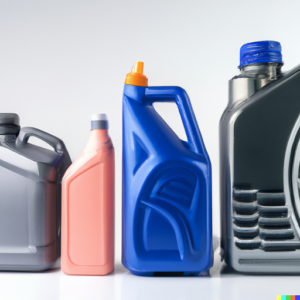
Vehicles rely on a variety of fluids to keep them running smoothly and safely. From engine oil to brake fluid, these fluids are essential for the proper functioning of your vehicle. In this blog, we’ll take a look at some of the most common fluids used in vehicles and why they’re important.

Engine Oil

Engine oil is the lifeblood of your vehicle’s engine. It lubricates the moving parts of the engine, reducing friction and heat. It also helps to keep the engine clean by trapping dirt and debris. It’s important to check your engine oil regularly and change it when necessary.
Brake Fluid

Brake fluid is used to transfer the force from the brake pedal to the brakes. It’s important to check your brake fluid regularly and top it up when necessary.

Coolant

Coolant is used to keep the engine cool. It helps to regulate the temperature of the engine and prevents it from overheating. It’s important to check your coolant regularly and top it up when necessary.

Transmission Fluid

Transmission fluid is used to lubricate the moving parts of the transmission. It helps to keep the transmission running smoothly and prevents it from overheating. It’s important to check your transmission fluid regularly and top it up when necessary.

Power Steering Fluid

Power steering fluid is used to help make steering easier. It helps to reduce the effort required to turn the steering wheel. It’s important to check your power steering fluid regularly and top it up when necessary.

Windshield Washer Fluid

Windshield washer fluid is used to help keep your windshield clean. It helps to remove dirt, debris, and bugs from the windshield. It’s important to check your windshield washer fluid regularly and top it up when necessary.
Posted in:

Related Posts

What to Look for When Buying a Used Vehicle

Buying a used vehicle can be a great way to save money, but it can also be a risky endeavor. Before you make a purchase, it’s important to do your research and know what to look for. Here are some tips to help you make an informed decision when buying a used vehicle. more Research the Vehicle’s History Before you buy a used vehicle, it’s important to research its history. Check the vehicle’s title and registration to make sure it’s not stolen or salvaged. You should also look into the vehicle’s service records to make sure it’s been properly maintained. Pre-Owned 2021 Mazda CX-30 Preferred Get a Pre-Purchase Inspection It’s always a good idea to get a pre-purchase inspection from a qualified mechanic. This will help you identify any potential problems with the vehicle before you buy it. Test Drive the Vehicle Take the vehicle for a test drive to make sure it runs smoothly and that all the features work properly. Pay attention to how the vehicle handles and listen for any strange noises. Check for Recalls Check to see if the vehicle has any open recalls. If it does, make sure the seller has taken care of them before you buy the vehicle. Be Educated Buying a used vehicle can be a great way to save money, but it’s important to do your research and know what to look for. By following these tips, you can make sure you get a good deal on a reliable vehicle.

5 Things You Should Know about Driving in the Rain

Driving in the rain can be a tricky situation, but with the right knowledge and preparation, it can be a safe and enjoyable experience. more Here are five things you should know about driving in the rain: Slow Down The most important thing to remember when driving in the rain is to slow down. Wet roads can be slippery and reduce your traction, so it’s important to reduce your speed to give yourself more time to react to any potential hazards. Increase Your Following Distance It’s important to increase your following distance when driving in the rain. This will give you more time to react to any sudden stops or changes in speed. Turn On Your Lights Turning on your headlights will help you to see better in the rain and will also make it easier for other drivers to see you. Avoid Puddles Puddles can be dangerous as they can hide potholes or other hazards. If you must drive through a puddle, do so slowly and cautiously. Be Prepared Before you set out on a rainy day, make sure your vehicle is in good condition and that you have the necessary supplies in case of an emergency. This includes a spare tire, jumper cables, a flashlight, and a first aid kit. By following these tips, you can ensure that your next rainy day drive is a safe and enjoyable one.

Awesome Test Driving Tips from Beach Mazda!

The procedure of buying a vehicle is one that starts way before you visit a dealership. Doing your part prior to buying a vehicle can prevent a problem later on. Whether you are purchasing a new or pre-owned vehicle, here are some suggestions that you should keep in mind when doing a test drive. Prior to you getting in the vehicle, be sure to seek out any damage or scuffs on the car's surface. Inspect the all the glass for any scratches or nicks. Examine the tires and make sure the remaining tread and for any indications of irregular wear. Flip on all the lights, try out the turn signals and even check the mirrors. Turn on the Vehicle Once you turn on the vehicle, let it run for a few moments and watch out for the following: Do you hear any noise coming from the engine? Inspect the radio, the heater, and the air conditioner and be sure they are functioning. Check the dashboard for warning signs of the different gauges. Make sure that all the seats are comfortable and that the ceilings are as high as you would like them to be. Drive the Vehicle on Calm Street Drive the vehicle and stop at a stop sign. How do the brakes feel when you come to a stop? Do they feel loose? Do they make a squeaking or grinding sound? When you’re driving, how does the car handle the road? Drive on The Freeway Does the vehicle accelerate well? Does the vehicle have blind spots? Change lanes and reflect on the response of the steering wheel. Does anything happen at higher speeds that you need to be concerned about?